
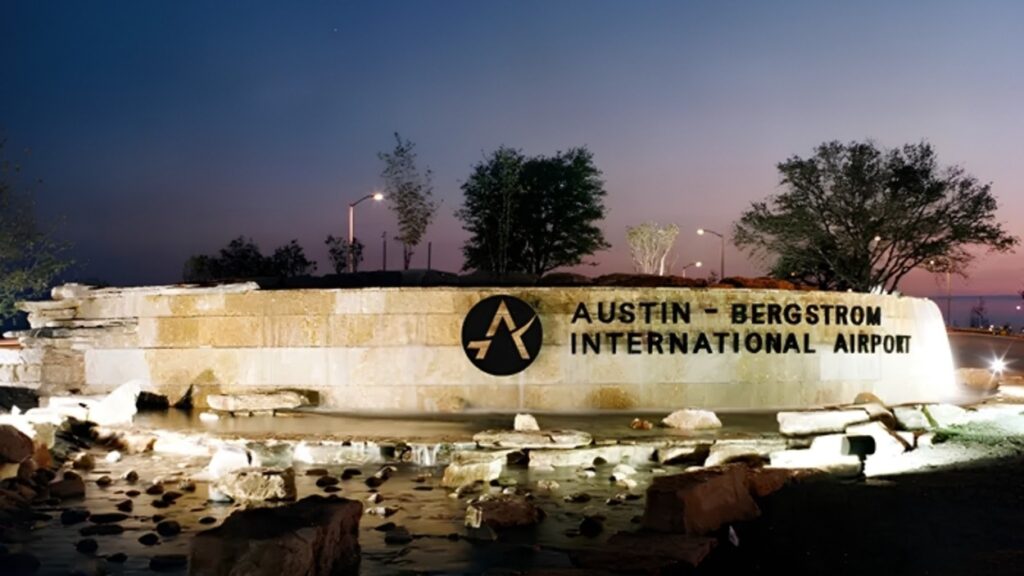
Austin-Bergstrom International Airport (AUS) is about to start charging private aircraft to land there, joining a growing list of major airports shifting infrastructure costs onto private-aircraft operators.AUS has become one of the busiest and most important business-aviation destinations in Texas, particularly during marquee events such as Formula 1, South by Southwest and Austin City Limits. Effective October 1, the new general aviation charges at the airport will include a $50 noncommercial landing fee, a $100 event-period landing fee, higher hangar rental rates, and increased fuel-flowage charges. The new fees come from a 2025 Austin City Council resolution directing the city manager to evaluate new revenue sources tied to private-aircraft activity.The city states that the increase in private aircraft activity creates infrastructure demands that justify the fees. AUS is currently undergoing a multibillion-dollar expansion and renovation, which includes two new concourses and a new utility plant. The airport also proposes increasing fuel-flowage fees and raising them incrementally over time, which would become part of the overall cost of using the airport.Landing fees spread beyond AustinAustin’s planned fees highlight an emerging trend at U.S. airports such as Falcon Field Airport (FFZ) and DeKalb Peachtree Airport (PDK), which have faced debates over new aviation user fees and airport-related cost increases. These fees not only impact charter operators, but owner pilots and flight training operations as well.”Our folks don’t typically get to pass along those costs … The vast majority of our folks, it’s coming out of their own pocket each time,” said Tom Chandler, AOPA regional manager, according to Austin Current. “It’s a cost of getting to Austin and choosing to do business there as well, or to come in and see a show.”Why it mattersAustin’s planned fees are another reminder that operating costs are going beyond fuel and maintenance. Access to popular airports are increasingly attached to yet another budgetary line item. As the cost of general aviation continues to grow, it’s non-commercial pilots that will feel the pinch of these fees more acutely. What’s still unresolved is where Part 135 charter falls: none of the reporting so far says whether operators flying under commercial certificates get billed the same way, or at all.




Recent Comments